
Key takeaways
- It works for odor. Scripps Health says aluminum-free deodorants help control body odor.
- It does not reduce sweat. Under the federal rule for over-the-counter antiperspirants, a product sold to reduce sweat is an antiperspirant, and every active ingredient that rule permits is an aluminum compound.
- No evidence of a detox. Scripps Health says there is no evidence the body detoxes when you switch, though it describes a temporary adjustment that usually lasts several days to a few weeks.
- No proven breast cancer link. The National Cancer Institute says no scientific evidence links antiperspirant or deodorant use to breast cancer, while noting that the few studies conflict (page reviewed August 2016).
Deodorant and antiperspirant are different products
The FDA lists deodorants among cosmetics. The federal rule for over-the-counter antiperspirants defines an antiperspirant as a drug product applied to the skin that reduces the production of sweat where it is applied, and the FDA says deodorants that are also antiperspirants must meet the requirements for both cosmetics and drugs.
That is why antiperspirant labels carry drug-style warnings. The rule requires lines such as do not use on broken skin, stop use if rash or irritation occurs, and ask a doctor before use if you have kidney disease. The Degree listing in our men's deodorant guide shows these warnings.
Why aluminum is the dividing line
The federal rule lists the active ingredients an over-the-counter antiperspirant may use, and all of them are aluminum compounds: aluminum chloride, the aluminum chlorohydrate group and the aluminum zirconium group, each with a concentration cap. The National Cancer Institute and Scripps Health both describe how they work: the aluminum compounds form a temporary plug in the sweat ducts.
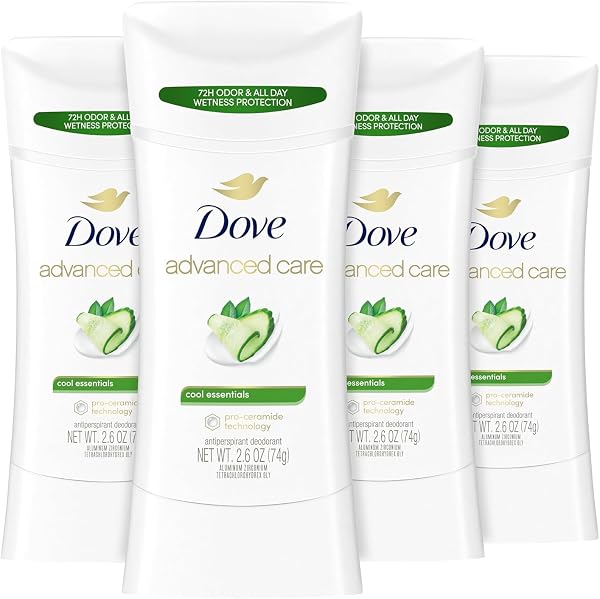
So a product without one of those actives is not an over-the-counter antiperspirant. The Degree and Dove sticks in our guides list aluminum zirconium tetrachlorohydrex GLY as their active ingredient; the Old Spice Aluminum Free and Native sticks list no antiperspirant active.
What aluminum-free deodorant does
Scripps Health says deodorants do not stop sweat; they reduce odor-causing bacteria, mask odor with fragrance, or both. It answers this page's question plainly: aluminum-free deodorants help control body odor but do not reduce sweating.
The listings agree. Native claims 72-hour odor control and Old Spice claims 24/7 odor protection, and neither makes a sweat claim. If less wetness is what you want, you need an antiperspirant, such as the Dove pick in our women's deodorant guide.
Crystal and other mineral deodorants
The Crystal roll-on in our women's guide lists potassium alum, which is not on the federal list of antiperspirant actives. Crystal sells it as a mineral deodorant, and its listing claims odor protection, not sweat reduction. Its listing words the aluminum question narrowly: it says it contains no aluminum chlorohydrate or aluminum zirconium, and its title says aluminum chloride free. We repeat those words rather than calling it aluminum-free ourselves.
Switching and the detox claim
You may see the word detox used about switching to aluminum-free deodorant. Scripps Health says there is no evidence that the body detoxes. It says some people notice more body odor or sweating after switching, and that this temporary adjustment usually lasts several days to a few weeks.
Is the aluminum in antiperspirant safe?
The National Cancer Institute says no scientific evidence links antiperspirant or deodorant use to the development of breast cancer. It notes that only a few studies have looked at the question, that their results conflict, and that more research would be needed; its page was last reviewed in August 2016. It also cites a 2014 review that found no clear evidence that aluminum-containing antiperspirants raise breast cancer risk.
Scripps Health says research has found no link between aluminum in antiperspirants and breast cancer or Alzheimer's disease, and that only very small amounts are absorbed through healthy skin. Questions about your own health, including the kidney-disease warning on antiperspirant labels, are for your doctor.
Frequently asked questions
Does aluminum-free deodorant work?
Yes, for odor. Scripps Health says aluminum-free deodorants help control body odor but do not reduce sweating.
Does aluminum-free deodorant stop sweat?
No. Under the federal rule for over-the-counter antiperspirants, an antiperspirant is the product that reduces sweat, and all of its permitted active ingredients are aluminum compounds.
Is there a detox period when you switch?
Scripps Health says there is no evidence the body detoxes. It says some people notice more body odor or sweating after switching, and that this temporary adjustment usually lasts several days to a few weeks.
Does antiperspirant cause breast cancer?
The National Cancer Institute says no scientific evidence links antiperspirants or deodorants to breast cancer, while noting that the few studies conflict and more research would be needed. Its fact sheet was last reviewed in August 2016.
Is Crystal deodorant aluminum-free?
Its listing says it contains no aluminum chlorohydrate or aluminum zirconium, and it lists potassium alum, which is not on the federal list of antiperspirant actives. Crystal sells it as a deodorant with odor claims only. We use the listing's words and do not call it aluminum-free ourselves.
Which aluminum-free deodorants do you pick?
Native's Coconut and Vanilla stick is our aluminum-free pick for women, and Old Spice High Endurance Aluminum Free is our pick for men. This page itself carries no product links.
This page earns nothing: it has no affiliate links. Sources, read on the date at the top of this page: the federal antiperspirant rule (21 CFR Part 350), the FDA's page Is It a Cosmetic, a Drug, or Both? (Or Is It Soap?), the National Cancer Institute's antiperspirants fact sheet, and Scripps Health's article on aluminum-free deodorant.
Keep reading
 Buying guideThe Best Deodorant for Men: Antiperspirant, Aluminum-Free and Moisturizing PicksA Degree antiperspirant, an aluminum-free Old Spice stick and a Dove Men+Care stick.3 picks · 5 min read
 Buying guideThe Best Deodorant for Women: Antiperspirant, Aluminum-Free and Unscented PicksA Dove antiperspirant, Native's aluminum-free stick and an unscented Crystal roll-on.3 picks · 5 min read
 ComparisonOral-B vs Sonicare: The Pro 1000 and ProtectiveClean 4100 Side by SideHow the Oral-B Pro 1000 and Sonicare ProtectiveClean 4100 listings differ on motion, modes and battery.2 products · 5 min read